










Why 212? Small changes, big impact
Maddy wanted the kick-off to feel meaningful. Rigby Capital had just closed a strong FY26, exceeding targets with a small team, and as the count reset to zero for the new year, she wanted the room to feel energised rather than talked at. Inspired by Sam Parker’s ‘212: The Extra Degree’, Maddy brought this idea to team: small, consistent changes compound into something much bigger.
“I didn’t want people to just sit back and listen to a bunch of statistics on volume written and number of deals processed. I wanted them to go away feeling inspired and empowered to take part in making a real difference to our business. As a relatively small team, each person has a real impact on our success, and I wanted to highlight that and encourage people to step up, make that difference and feel proud.”
Finding the extra one degree in Operations
For Maddy, the principle is about compounding small improvements rather than working harder.
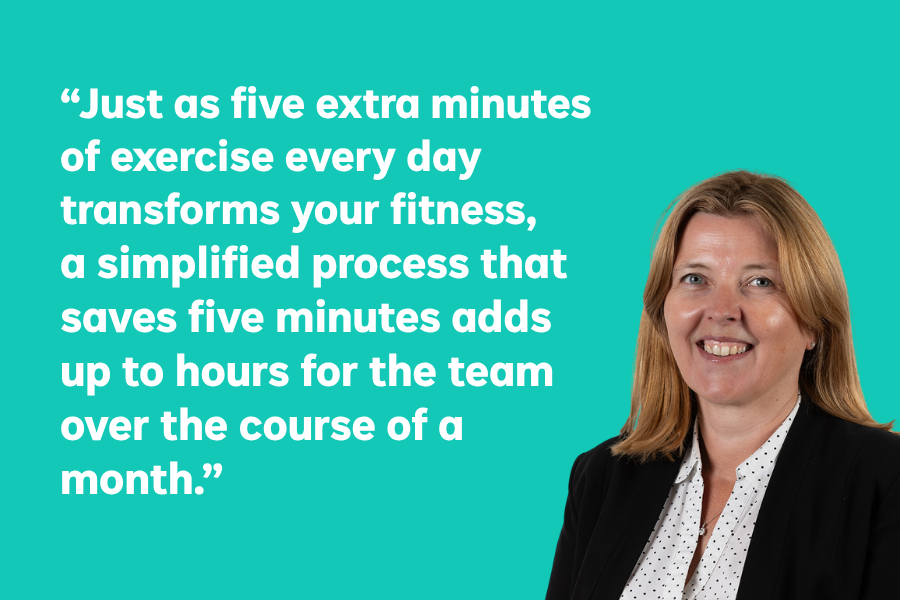
“Just as five extra minutes of exercise every day transforms your fitness, a simplified process that saves five minutes adds up to hours for the team over the course of a month.”
As Operations Director, that means constantly questioning how things are done. One example: Rigby Capital’s end of term invoicing process used to mean raising 15 or 20 separate invoices for a single asset batch return. Now, it’s one invoice per batch.
“It’s a small change but has had a dramatic impact on our time and efficiency. It is all too easy to ‘do what we have always done’, so we need to embrace the mindset of why are we doing this, and how could we do this better.”
Working smarter, not harder
Maddy is clear that the extra one degree isn’t about piling on more hours.
“Worthwhile extra effort is all about working smarter, not working harder.”
She points to Rigby Capital’s ongoing business transformation project – mapping processes, testing system changes and working with third parties to prepare the business for future growth.
“Overworking is continuing to work with processes that are failing, resulting in burnout and failure to address the core issue – whether that’s resource, training or identifying clear priorities. We want to build a culture where people are listened to and issues are acted upon.”
That culture is built through habits: a weekly team meeting to check in on workload and talk through issues, staying connected over Teams with hybrid working, and looking outward to partners and new colleagues for fresh ideas.
The takeaway
Maddy’s message to colleagues was simple: a small difference can have a massive impact, both personally and professionally.
“You don’t have to go to extremes, but there are examples all around us of achievements through practice, hard work and dedication. My question to colleagues was to imagine what they could do if they put their mind to it, if they decided to set a goal and were prepared to put in the steps to achieve that ambition.”
Her advice for anyone wondering where their own extra degree might come from starts with one small step.
“Identify one area you would like to improve – it doesn’t matter whether it’s work, health, family or personal development. Make your choice, write it down and take that first step. Baby steps are all it takes.”